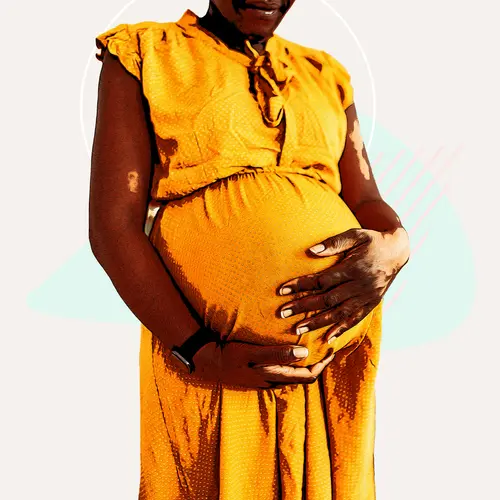

If your health isn't enough to make you quit smoking, then the health of your baby should be. Smoking during pregnancy affects you and your baby's health before, during, and after your baby is born. The nicotine (the addictive substance in cigarettes), carbon monoxide, and numerous other poisons you inhale from a cigarette are carried through your bloodstream and go directly to your baby. Smoking while pregnant will:
- Lower the amount of oxygen available to you and your growing baby
- Increase your baby's heart rate
- Increase the chances of miscarriage and stillbirth
- Increase the risk that your baby is born prematurely or born with low birth weight
- Increase your baby's risk of developing respiratory (lung) problems
- Increases risks of birth defects
- Increases risk of sudden infant death syndrome (SIDS)
- Raise your chances of placenta problems like placental abruption (when it peels away from the wall of your uterus too soon) or placenta previa (when it’s in a position where it could rupture during contractions
The more cigarettes you smoke per day, the greater your baby's chances of developing these and other health problems. There is no "safe" level of smoking while pregnant.
How Does Secondhand Smoke Affect Pregnancy?
Secondhand smoke (also called passive smoke or environmental tobacco smoke) is the combination of smoke from a burning cigarette and smoke exhaled by a smoker.
The smoke that burns off the end of a cigarette or cigar actually contains more harmful substances (tar, carbon monoxide, nicotine, and others) than the smoke inhaled by the smoker. There is no safe level of secondhand smoke.
If you are regularly exposed to secondhand smoke while pregnant, you will have an increased chance of having a stillbirth, a low-birth-weight baby, a baby with birth defects, and other complications of pregnancy.
Babies and children exposed to secondhand smoke may also develop asthma, allergies, and more frequent lung and ear infections.
Smoke travels through vents and under doors. Even very brief exposure can make breathing problems worse for babies. Here are some things you can do to reduce your baby’s exposure while you’re pregnant and after your baby is born:
- Don’t let anyone smoke in your house.
- Don’t let anyone smoke in your car.
- In colder weather, encourage smokers to use the same jacket whenever they smoke outdoors, and preferably leave it outside.
- Keep your baby away from places where people smoke.
How Can I Quit Smoking Before or During Pregnancy?
There are many smoking cessation programs available to help you quit smoking. Ask your health care provider for more information about these programs.
Here are some tips that may help you kick the habit:
- Hide your matches, lighters, and ashtrays.
- Designate your home a no-smoking area.
- Ask people who smoke not to smoke around you.
- Drink fewer caffeinated beverages; caffeine may stimulate your urge to smoke. Also avoid alcohol, as it may also increase your urge to smoke and can be harmful to your baby.
- Change your habits connected with smoking. If you smoked while driving or when feeling stressed, try other activities to replace smoking.
- Keep mints or gum (preferably sugarless) on hand for those times when you get the urge to smoke.
- Stay active to keep your mind off smoking and help relieve tension: take a walk, exercise, read a book, or try a new hobby.
- Look for support from others. Join a support group or smoking cessation program.
- Do not go to places where many people are smoking such as bars or clubs, and smoking sections of restaurants.
Can I Use a Nicotine Replacement During Pregnancy?
Nicotine gum and patches release nicotine into the bloodstream of the smoker who is trying to quit. Although these products can reduce withdrawal symptoms and decrease cravings in smokers who are trying to quit, the safety of these products hasn't been adequately evaluated in pregnant women.
The American College of Obstetrics and Gynecology recommends that nicotine gum and patches be considered in pregnant women only after other nondrug treatments, like counseling, have failed and if the increased likelihood of quitting smoking, with its potential benefits, outweighs the unknown risk of nicotine replacement and potential smoking.
How Will I Feel When I Quit Smoking During Pregnancy?
The benefits of not smoking start within days of quitting. After you quit, you and your baby's heartbeat will return to normal, and your baby will be less likely to develop breathing problems.
You may have symptoms of withdrawal because your body is used to nicotine, the addictive substance in cigarettes. You may crave cigarettes, be irritable, feel very hungry, cough often, get headaches, or have difficulty concentrating. The withdrawal symptoms are only temporary. They are strongest when you first quit but will go away within 10-14 days. When withdrawal symptoms occur, stay in control. Think about your reasons for quitting. Remind yourself that these are signs that your body is healing and getting used to being without cigarettes. Remember that withdrawal symptoms are easier to treat than the major diseases that smoking can cause.
Even after the withdrawal is over, expect periodic urges to smoke. However, these cravings are generally short-lived and will go away whether you smoke or not. Don't smoke!
If you relapse and smoke again do not lose hope. Of the people who quit, 75% relapse. Most smokers quit three times before they are successful. If you relapse, don't give up! Plan ahead and think about what you will do next time you get the urge to smoke.